Buying a new TV is exciting. Mounting it on the wall should be the easy part, right?
Not exactly.
There’s a big difference between a basic “TV on the wall” install and a professionally designed entertainment experience. The difference shows up in performance, aesthetics, reliability, and long-term satisfaction.
At Eco Smart Home Pros, TV installation isn’t just about hanging a display. It’s about designing a complete solution that includes the TV, audio, connectivity, protection, and clean integration into your space.
The Big Box Store Approach vs. Professional Integration
Many big box retailers offer TV mounting services. These typically include:
- Mounting the TV on drywall
- Plugging it into a nearby outlet
- Connecting devices with visible cables (or minimal concealment)
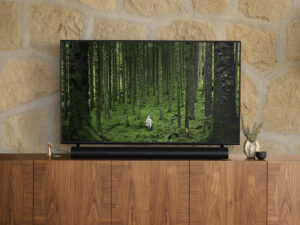
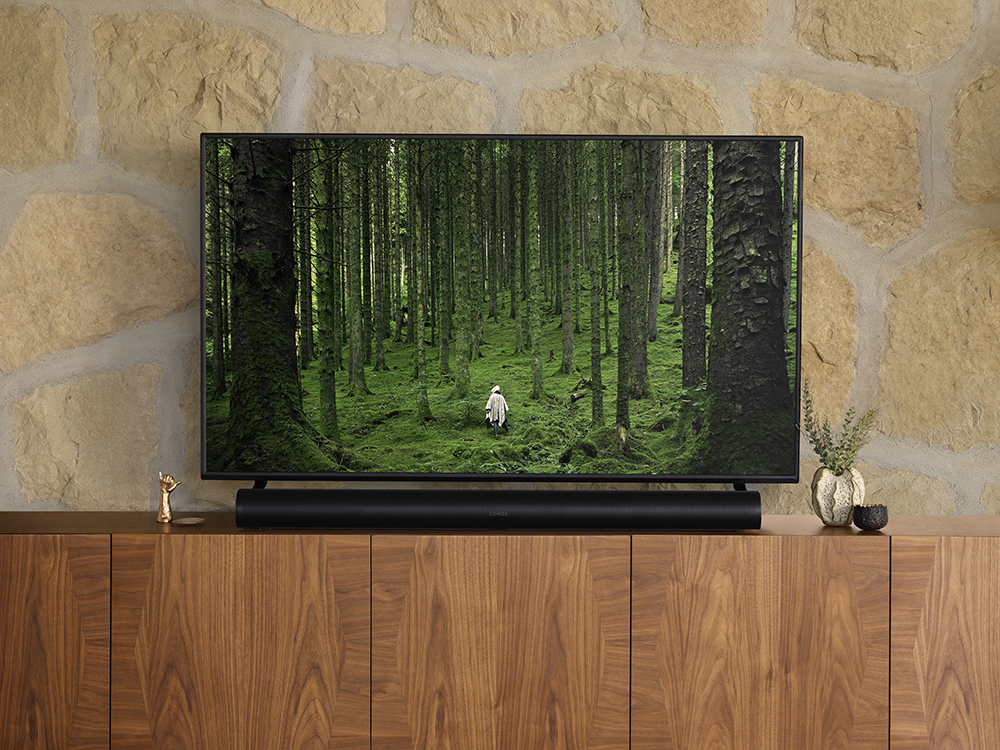
- Basic soundbar placement
That works; but it’s a standard solution designed for speed, not customization.
Professional integration is different. It begins with design.
The Design Process Matters
Before a TV is ever mounted, we consider:
- Viewing height and angles
- Room lighting and glare
- Seating distance
- Wall structure
- Audio placement
- Cable pathways
- Equipment location
- Future upgrades
Every room is different. A family room, dedicated theater, bedroom, outdoor patio, and commercial space all require different mounting strategies.
A professional install is tailored, not templated.
Clean Installation: Backboxes & Cable Management
One of the biggest differences in professional TV installation is what you don’t see.
Backboxes
Instead of simply running wires through the wall, professional integrators use recessed backboxes to:
- Conceal streaming devices
- Hide HDMI connections
- Provide clean power access
- Allow airflow for small components
- Maintain serviceability
This keeps the TV flush to the wall without bulging cables or visible brackets. This is especially important with picture frame TVs like the Samsung Frame and LG Gallery.
No dangling wires.
No messy extension cords.
No exposed power strips.
Just a clean, finished look.
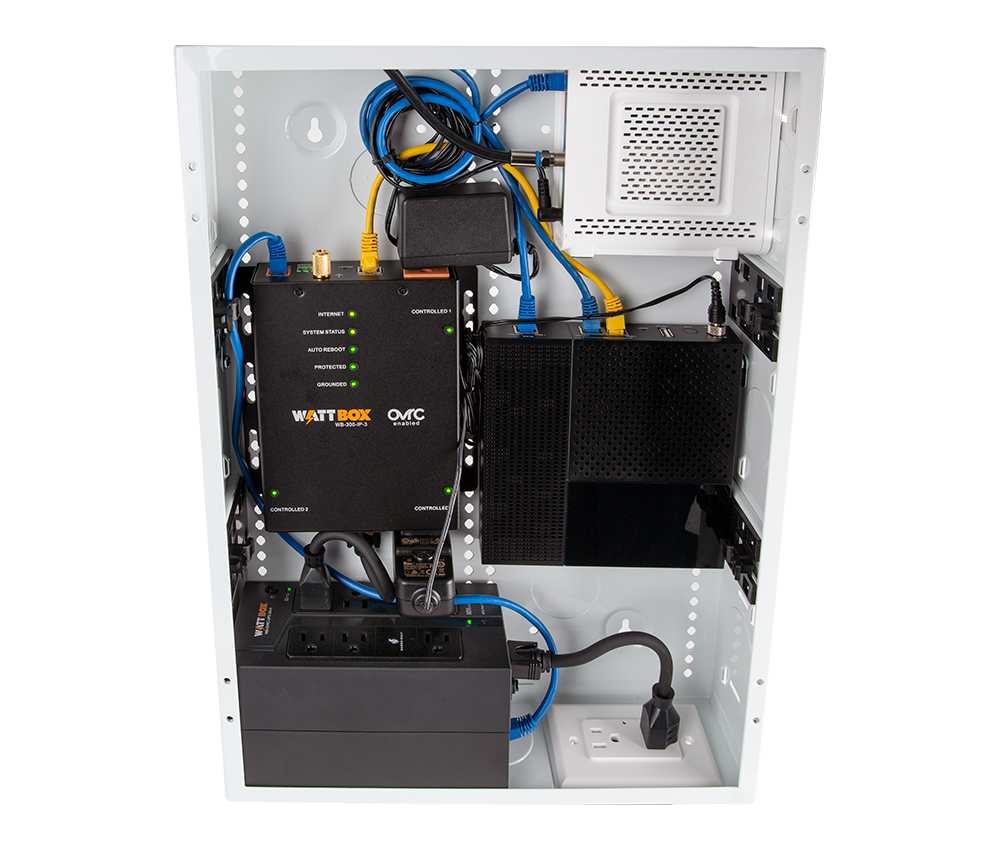
Audio Is Not an Afterthought
A thin TV cannot physically produce big sound. It’s not a matter of brand; it’s physics. Thin TVs just do not have the space to include good speakers.
Professional installations consider:
- Soundbars (properly mounted, aligned, and tuned)
- In-wall speakers
- In-ceiling speakers
- Surround sound systems
- Subwoofer placement
- Whole-home audio integration
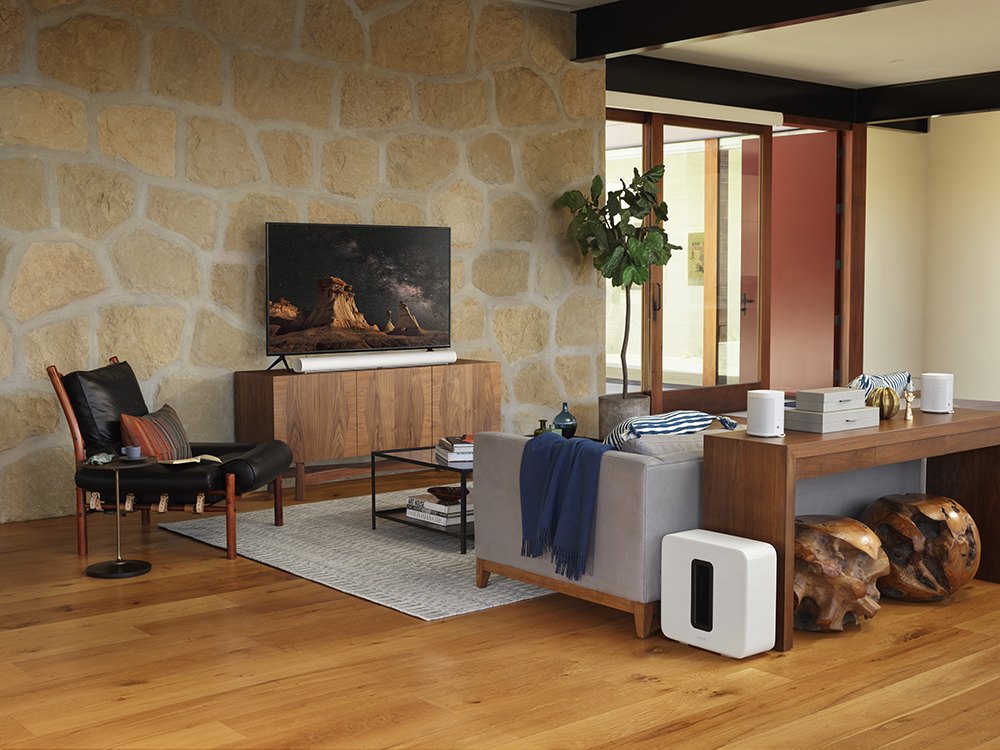
Instead of simply placing a soundbar on a console, we design audio to complement the room.
In some spaces, that may mean:
- A discreet soundbar with hidden wiring
- Architectural speakers flanking the display
- A full surround system
- Audio integrated into a smart home platform
The goal is balanced, immersive sound, not just louder TV speakers.
Custom Mounting Solutions
Not all walls are created equal.
We evaluate:
- Stud placement
- Masonry or stone surfaces
- Lath and plaster surfaces
- Fireplace mounting considerations
- Motorized mount options
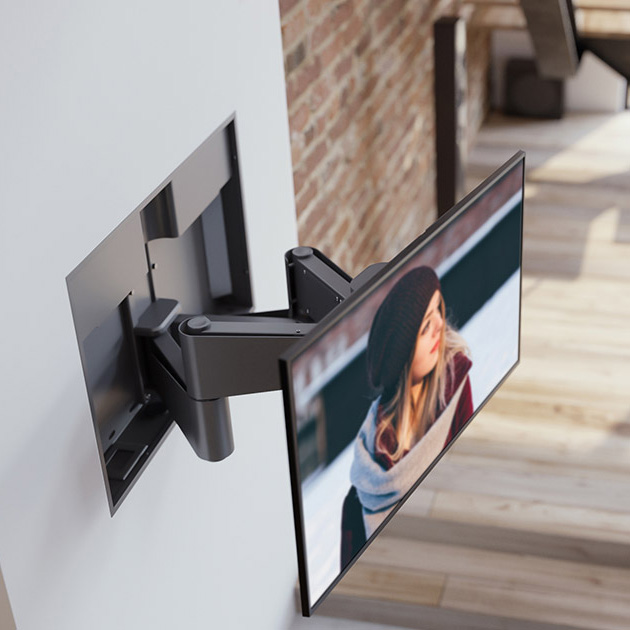
- Articulating mounts for flexible viewing
- Rolling floor mounts
- Ceiling mounts
- Outdoor-rated mounts
Fireplace mounting, for example, requires careful planning to avoid excessive height and heat exposure.
Sometimes the cookie-cutter solution isn’t the right mounting solution.
Custom solutions ensure proper viewing ergonomics and long-term stability.
Hardwired Network Connections
Streaming quality depends heavily on your network.
While Wi-Fi can work, hardwired Ethernet connections offer:
- Faster speeds
- Lower latency
- More stable streaming
- Fewer buffering issues
- Reduced interference
Professional installations include:
- CAT6 cabling to TV locations
- Proper network switching
- Clean terminations
- Future-ready pathways
A beautiful TV setup means little if the stream constantly buffers.
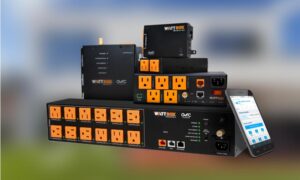
Power Conditioners & Equipment Protection
Modern TVs and AV systems are sensitive electronics.
Professional installations often include power conditioning to:
- Protect against voltage spikes
- Reduce electrical noise
- Improve long-term reliability
- Protect investments from surges
Rather than plugging high-end equipment into a basic outlet strip, we incorporate structured power solutions that support the entire system.
This is especially important in areas with fluctuating power or regular brown-outs.
Centralized Equipment & Hidden Components
In many homes, we take it a step further:
- Equipment located in a rack
- Devices hidden in cabinetry
- Minimal visible hardware
- Clean control interfaces
Instead of stacking cable boxes and streaming devices under the TV, components can be concealed and controlled seamlessly.
The result: a cleaner aesthetic and simplified user experience.
It’s About the Experience
A professional TV installation is not just about mounting hardware.
It’s about:
- Optimized picture performance
- Balanced sound
- Clean cable management
- Proper network reliability
- Electrical protection
- Thoughtful design
- Future scalability
It’s a complete experience solution.
When done correctly, the technology disappears and what remains is effortless entertainment.
Why Choose a Professional Integrator?
Professional integration provides:
- Customized design
- Outdoor A/V options
- Proper structural mounting
- Clean cable concealment
- Audio system optimization
- Network reliability
- Surge and power protection
- Long-term support
You invested in a quality display. It deserves more than a rushed installation.
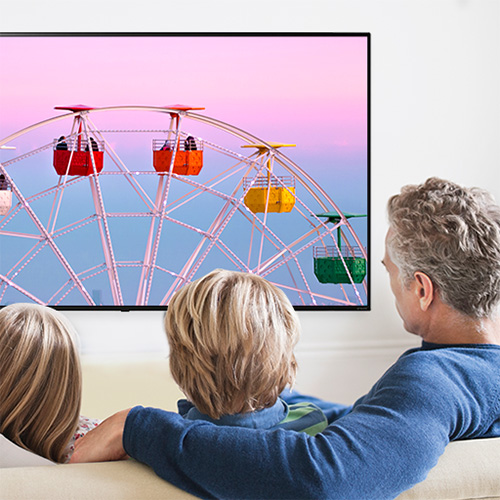
When your TV installation is professionally designed and installed, you get more than a screen on the wall, you get a system that performs beautifully, looks intentional, and lasts for years.
That’s the difference between big box standards and thoughtfully integrated solutions.
Did You know?
At Eco Smart Home Pros, our televisions typically match the prices of big box stores. Some big box stores like Best Buy, Costco, and Walmart have special models only available to them; we cannot price match those models. We do our best to price our technology fairly.
In fact, our basic mounting typically costs about the same as Best Buy; it’s the advanced setups and installations that add costs do to complexities and the additional equipment.