Why the Right Installation Makes All the Difference
Smart home technology is more accessible than ever. You can walk into a big-box store like Best Buy, grab a few smart switches, a thermostat, some cameras, and be up and running by the weekend.
But here’s the question:
Is it truly integrated — or just connected?
There’s a major difference between a DIY smart home and a professionally integrated system. And that difference shows up in reliability, performance, scalability, and long-term satisfaction.
Let’s break it down.
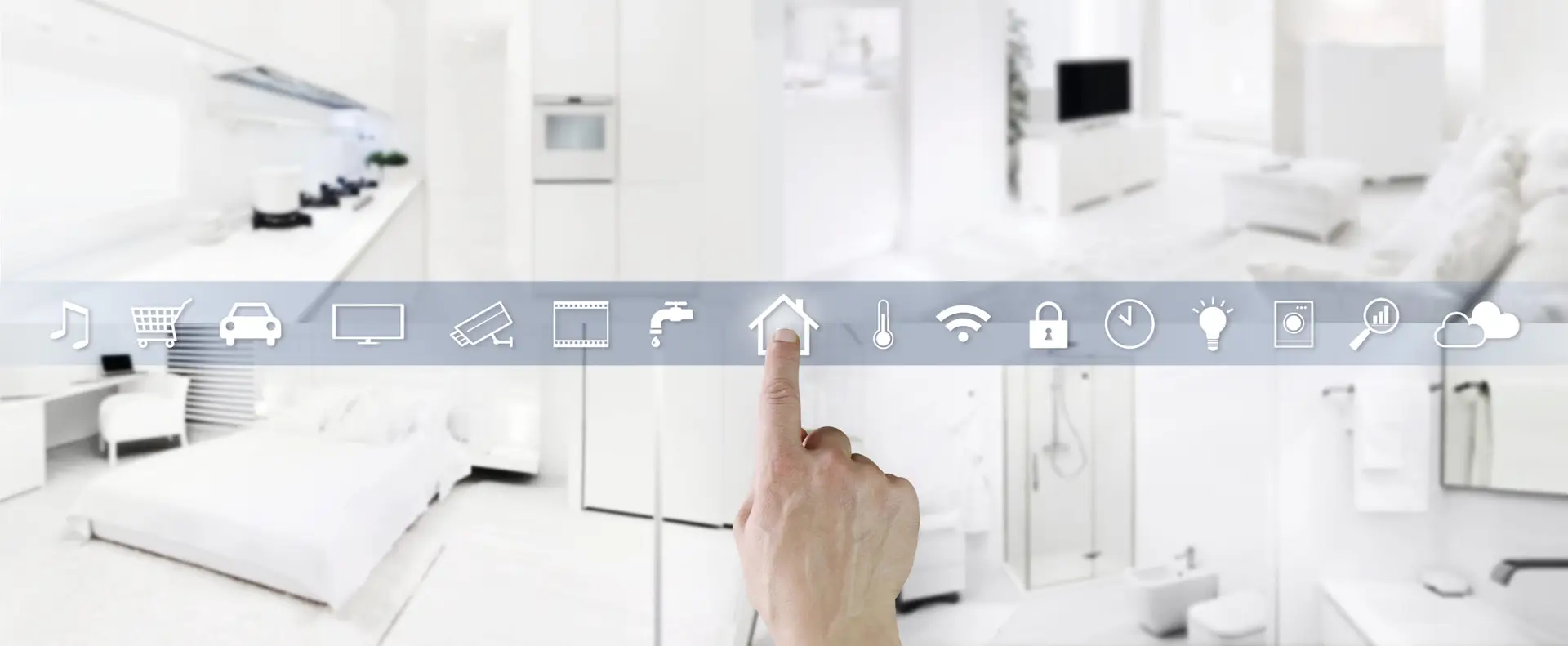
What is a DIY Smart Home?
A DIY system typically includes:
- Wi-Fi light bulbs or switches
- Off-the-shelf thermostats
- Plug-in cameras
- Voice assistants
- Multiple apps to control everything
These systems are designed to be installed without specialized tools or training. For small spaces or basic automation, they can work well.
The Pros of DIY
- Lower upfront cost
- Easy to purchase
- Quick installation
- Good for single-room solutions
The Limitations
Over time, many homeowners experience:
- Lag or slow response times
- Devices dropping offline
- Multiple apps for different products
- Compatibility issues between brands
- Wi-Fi congestion
- Limited automation logic
- Minimal long-term support
A DIY system often feels impressive at first — but as more devices are added, complexity increases and reliability decreases. At Eco Smart Home Pros, we research brands for long-term viability; meaning we want devices that will last you a long-time and not need replacing after a big brand decides its not profitable enough.
What Is Professional Smart Home Integration?
Professional integration is different from simply installing devices. It involves designing a system architecture where every technology works together intentionally.
A professionally integrated smart home includes:
- Structured network design
- Proper load calculations for lighting
- Centralized or properly distributed control systems
- Clean, organized wiring
- Advanced automation programming
- Long-term support and service
Instead of piecing together products, the entire system is designed as one cohesive solution.
Smart Home Integrators Are Like Plumbers, HVAC Technicians, and Electricians
You can install a faucet yourself.
You can swap out a thermostat.
You can replace a light fixture.
But when you’re building or upgrading an entire plumbing system, HVAC system, or electrical panel, you call a professional.
Why? Because those systems:
- Require technical knowledge
- Must follow code
- Impact safety and efficiency
- Need to function reliably every day
Smart homes are no different.
Smart Home Technology is Now Core Infrastructure
- Lighting control
- Climate systems
- Security
- Energy management
- Networking
- Audio/video distribution
These systems are no longer “gadgets.” They are part of your home’s infrastructure; just like plumbing and electrical.
You wouldn’t design your own electrical panel without an electrician.
You shouldn’t design your home’s automation backbone without a professional integrator.

Benefits of Professional Smart Home Integration
1. Reliability
Professional systems use dedicated communication protocols, structured wiring, and enterprise-grade networking. The result is faster response times and fewer dropped connections.
When properly designed, systems work consistently, not just when the Wi-Fi feels like cooperating.
3. Customization
A professional integrator doesn’t just install hardware. They program your system to match how you live.
Examples:
- “Goodnight” shuts down the entire home
- “Entertain” sets lighting, music, and temperature
- Energy-saving modes adjust based on usage
DIY systems rarely offer this level of tailored automation.
4. Scalability
Many DIY systems hit a ceiling.
Professional systems are designed to grow:
- Add new rooms
- Expand outdoor audio
- Integrate solar or battery systems
- Upgrade control interfaces
Future-ready planning prevents costly redesign later.
5. Network Infrastructure
Most smart home frustrations are actually network problems.
Professionals design:
- Proper access point placement
- Segmented networks for smart devices
- Strong Wi-Fi coverage
- Secure configurations
Without a strong network foundation, even the best devices will struggle.
6. Clean Installation & Aesthetics
Professionally integrated homes avoid:
- Wall clutter
- Random smart plugs
- Visible wiring
- Stacked voice assistants
Instead, you get:
- Elegant keypads
- Concealed speakers
- Organized racks
- Seamless architectural integration
The technology enhances the space, it doesn’t dominate it.
7. Ongoing Support
Technology evolves.
When firmware updates break compatibility or you want to add a new feature, professional support matters.
Instead of searching online forums for answers, you have a trusted partner who knows your system and can make adjustments quickly.

The Real Cost Comparison
DIY systems often appear cheaper upfront.
But hidden costs include:
- Time spent troubleshooting
- Replacing incompatible devices
- Network upgrades after performance issues
- Companies dropping product lines
- Redoing installations
- Frustration
- Time away from family and friends
- Sleepless nights trying to figure out an issue
A professionally designed system costs more initially; but delivers long-term stability, performance, and peace of mind.
When DIY Makes Sense
DIY may work well for:
- Apartments
- Small condos
- Single-room upgrades
- Entry-level experimentation
But once you’re integrating lighting, audio, climate, security, and energy systems together, professional design becomes critical.
Why Hire Eco Smart Home Pros?
Professional integration isn’t just about installing equipment. It’s about designing systems that work together seamlessly for years to come.
Working with an experienced integration company ensures:
- Thoughtful system design
- Proper installation
- Clean wiring and organization
- Intelligent programming
- Ongoing service and support
- A system built around your lifestyle
A smart home should feel effortless.
It should respond instantly.
It should operate quietly in the background.
It should enhance daily living, not complicate it.
When designed and installed correctly, smart technology becomes invisible infrastructure, just like plumbing, HVAC, and electrical systems.
And just like those systems, it’s best handled by professionals who do this every day.
Final Considerations
If you’re considering upgrading your home with smart technology, the difference between DIY and professional integration isn’t just about cost.
It’s about performance.
It’s about reliability.
It’s about doing it right the first time.
And that’s where experienced professionals make all the difference.
We are not trying to dissuade you from doing a DIY smart home; for some people that is the right solution. If you’re curious about smart homes and not sure if it will improve your lifestyle; buy a smart bulb and give it a try. But if you decide you want that in your whole home; contact a professional and support your local small business.
Let’s create #ASmarterTomorrow — together.