As smart technology continues to evolve, so does the way new homes are designed and built. Today’s homebuyers expect homes that are not only visually appealing and energy efficient, but also intuitive, connected, and future-ready. At Eco Smart Home Pros, we’re seeing several key trends shaping how smart tech is being integrated into new residential construction — and how builders and homeowners alike can benefit from these advancements.

Whole Home Connectivity is Becoming Standard
Reliable network infrastructure is no longer an add-on — it’s a foundation.
New builds increasingly include:
- Pre-wired structured cabling:
TVs, streaming boxes, control hubs, computers, printers, gaming consoles, motorized shades, and more - Centralized networking closets
Keep everything in a centralized location for easy troubleshooting and upgrading - Wi-Fi designs Each new version of Wi-Fi has a shorter distance for top speeds, planning now can mean future upgrades are quick and simple, without breaking the bank
This ensures every corner of the home has strong connectivity to support smart devices like thermostats, cameras, lighting, and entertainment systems. A solid network backbone also future-proofs homes as technology demands grow.
Client Benefit: Better connectivity means fewer dead zones, lower latency, and more reliable automation across the home.
Energy Management and Sustainability Smart Systems
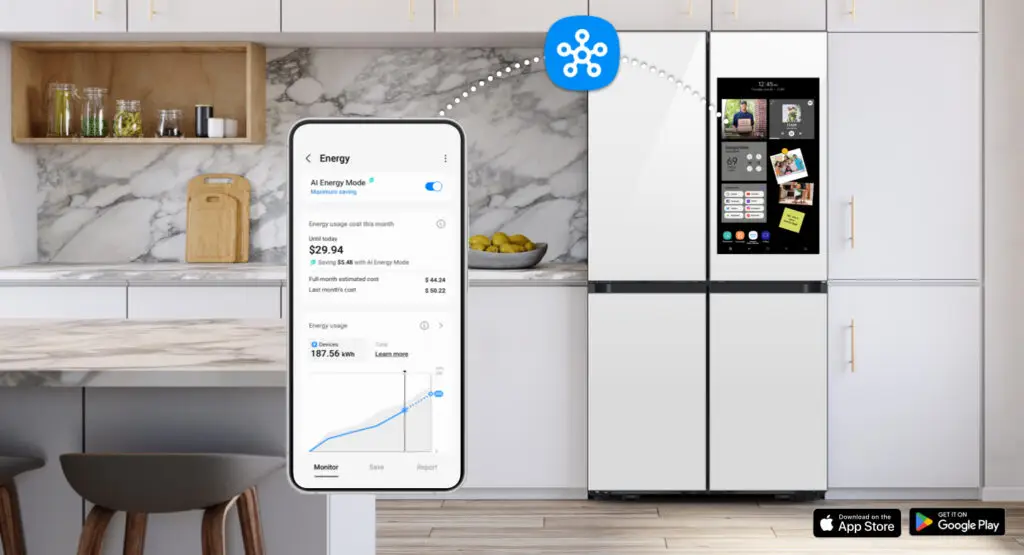
Energy efficiency continues to be a top priority among homeowners, office workers, and builders. Smart home tech now plays a central role in achieving sustainability goals.
Popular implementations include:
- Smart thermostats and zoning system
- Real-time energy monitoring
- Solar and battery integrations
- Smart outlets and load-control devices
These systems, like Savant Power, not only reduce utility costs but also contribute toward green building certifications and long-term sustainability goals.
Client Benefit: Lower monthly expenses and increased home value through smarter energy usage.
Voice Control and Natural Interaction
Voice assistants like Amazon Alexa, Google Assistant, and Apple Siri have moved beyond standalone devices into core home infrastructure.
Builders are now integrating:
- Voice-enabled lighting control
- Voice command for climate and media
- Room-specific microphone and speaker zones
Voice control adds convenience, particularly in kitchens, living spaces, and for homeowners with mobility considerations.
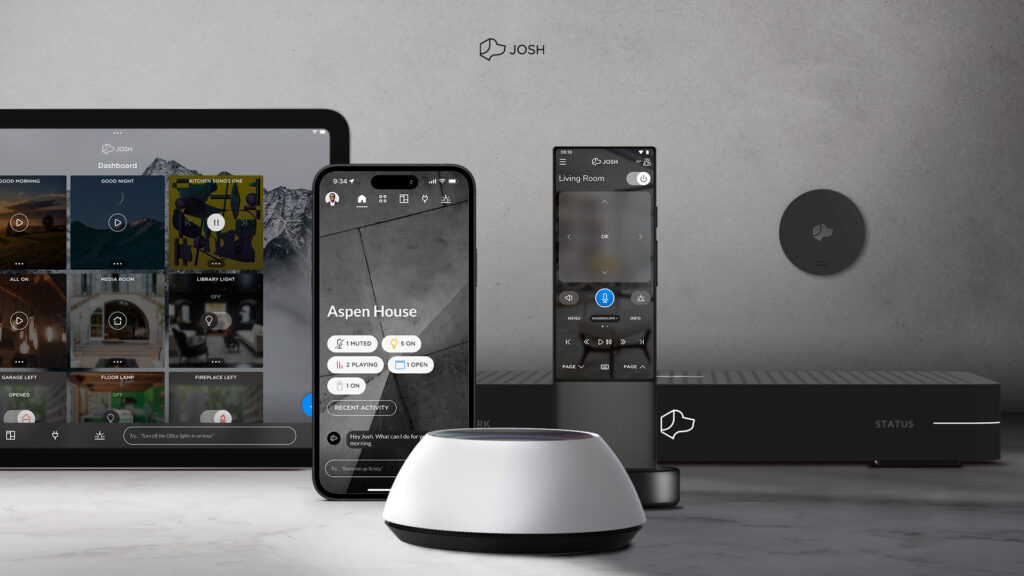
Josh.ai delivers conversational natural language control with a focus on privacy and customization, making it ideal for clients who want highly intuitive interaction without sacrificing data protection.
Client Benefit: More intuitive control over home systems without adding complexity.
Security and Sensors
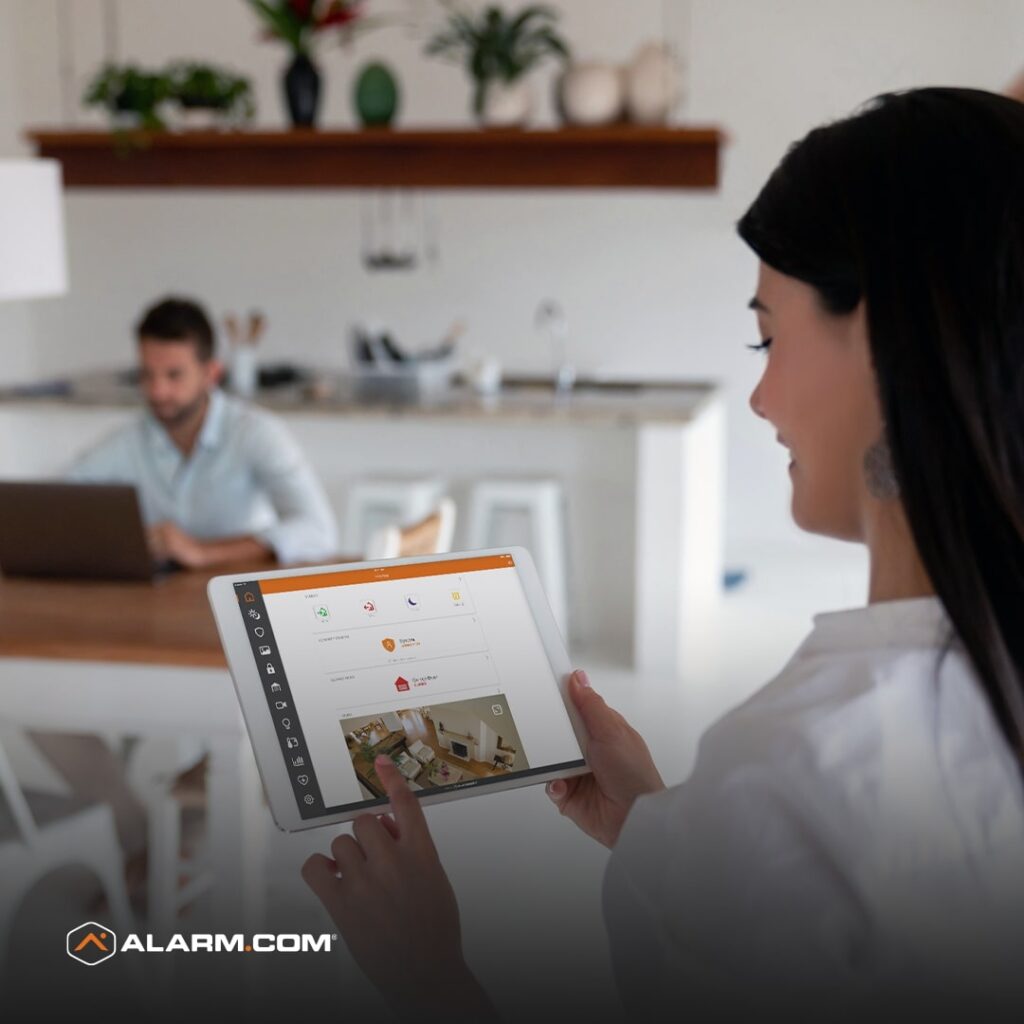
Home security remains one of the most valued smart features among homeowners.
Integrated solutions now include:
- Networked camera systems
- Smart door locks
- Door/window sensors
- Environmental sensors (water leak, smoke, CO)
Examples:
- ELK Security
- Simplisafe
- Ring Alarm
These components work together through centralized automation platforms to deliver real-time alerts and intelligent responses.
Client Benefit: Clients want robust security that’s easy to manage and reinforces peace of mind.

Personalized Automation and AI Integration
Smart homes are moving beyond simple schedules into adaptive systems that learn from routines.
Examples include:
- Adaptive automation based on behavior patterns
- Geo-fencing triggers (e.g., doors unlock on approach)
- Smart scenes coordinating lighting, climate, and media
AI-enhanced systems enable homes to respond dynamically to time of day, occupancy, weather, and personal preferences — reducing manual interaction.
Client Benefit: A home that anticipates needs and adapts seamlessly.

Personalized Integrated AV and Multi-Room Entertainment
Smart audio/video systems are now expected in many new homes. Whether it’s for watching sports, news, movies, reality TV, or gaming; families are gathering around the big screen for daily entertainment.
Key trends include:
- Whole-home audio distribution
- Integrated home theaters
- Streaming interoperability
- Centralized control via touch panels or mobile apps
Clients want immersive media experiences that are easy to access and manage without clutter.
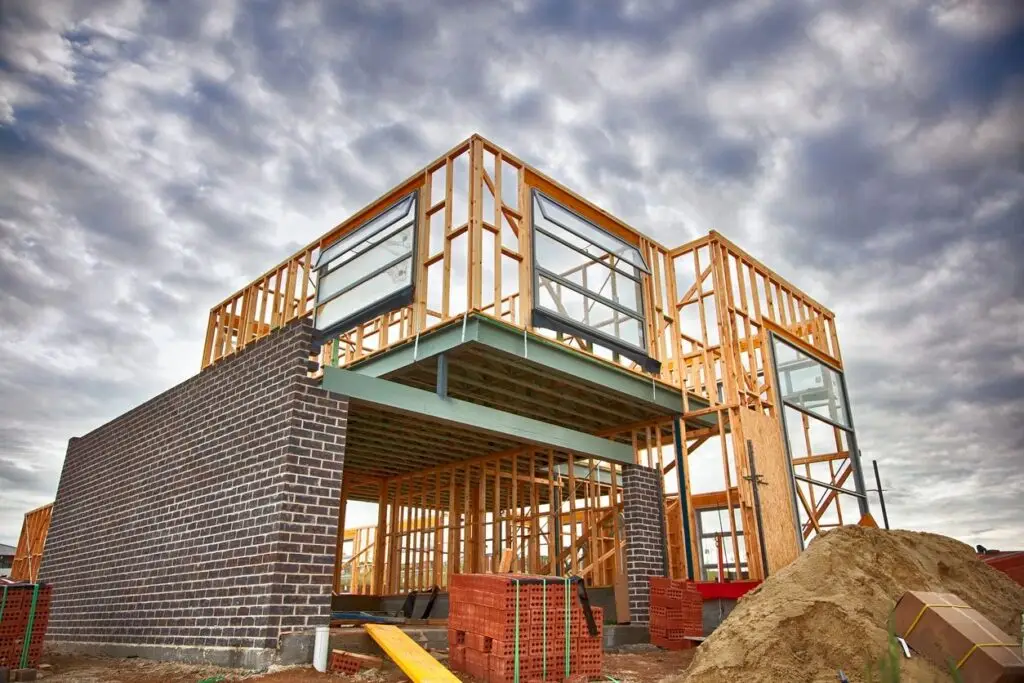
Scalability and Future-Proofing
Perhaps the most critical trend is designing for long-term adaptability.
Integrators are planning for future upgrades by:
- Allocating space for additional equipment, and wiring as much as possible during the build for future technologies
- Choosing open platforms that support third-party integrations, from manufacturers that have been around for a while
- Selecting modular systems that evolve with client needs
Client Benefit: Smart home investments remain relevant and expandable over time.
Final Thoughts
Smart home technology is no longer a luxury; it’s a standard expectation in modern home building. With trends focused on connectivity, sustainability, automation, and wellness, integrating smart systems thoughtfully can significantly enhance home value and livability.
At Eco Smart Home Pros, we partner with builders and clients to design and install systems that are dependable, intuitive, and future-ready. From planning to implementation and support, we’re committed to delivering solutions that fit your vision and lifestyle.
Let’s create #ASmarterTomorrow — together.