“You shouldn’t need a tech tour and app to turn the lights on.”
Eco Smart Home Pros agrees, the smart home involves the customer’s wants and needs; but also considers the non-homeowner users. Whether that’s children, friends, in-laws, or Airbnb guests; a smart home is intuitive and easy to use.
This blog post is a response to an article from The Atlantic, Smart Homes Are Terrible, by Jason Fried on February 7, 2026.

Why the right smart home improves life, doesn’t cause frustration
Smart home technology is no longer a futuristic luxury; when designed and implemented properly, it can genuinely enhance everyday living. Yet, many homeowners feel let down by smart systems that are slow, confusing, or unreliable. A recent article in The Atlantic highlighted this frustration, noting experiences where lights, thermostats, and appliances were harder to use than traditional controls and demanded multiple apps or tutorials just to function.
At Eco Smart Home Pros, we know that these negative experiences aren’t inherent to smart home technology; they’re usually the result of product choice, inconsistent integration, or DIY solutions that lack professional design and support. The right smart home ecosystem can be intuitive, responsive, and delightfully dependable; delivering peace of mind, convenience, and value every day.
Common Complaints and How Professional Systems Address Them
Smart Tech is Slower Than Regular Switches and Buttons
Consumer-grade products that depend on cloud communication or weak connections can lag or fail. These slower systems are ones that have to travel the Internet to control your home rather than a system that has a hub inside the house that requires no Internet to continue working.
High-end systems from established manufacturers like Lutron, Savant, Sonos, and Josh.ai are designed for local control and robust networking, meaning commands execute instantly. Whether it’s dimming lights or adjusting shades. These platforms prioritize reliability over gimmicks, so a simple tap or voice command translates into a nearly immediate result.
Client Benefit: Immediate response with professional hardware replacement and ongoing support. If you have power, you have a functional smart home system. Internet not required for all features.
Needing Multiple Apps and Complicated Steps to Do Basic Things
Fragmentation; where every device uses a different app is a major source of frustration. Reliable smart home systems unify control.
- Savant brings together lighting, shading, climate, audio/video, and energy management into a cohesive interface with intuitive scenes and automations.
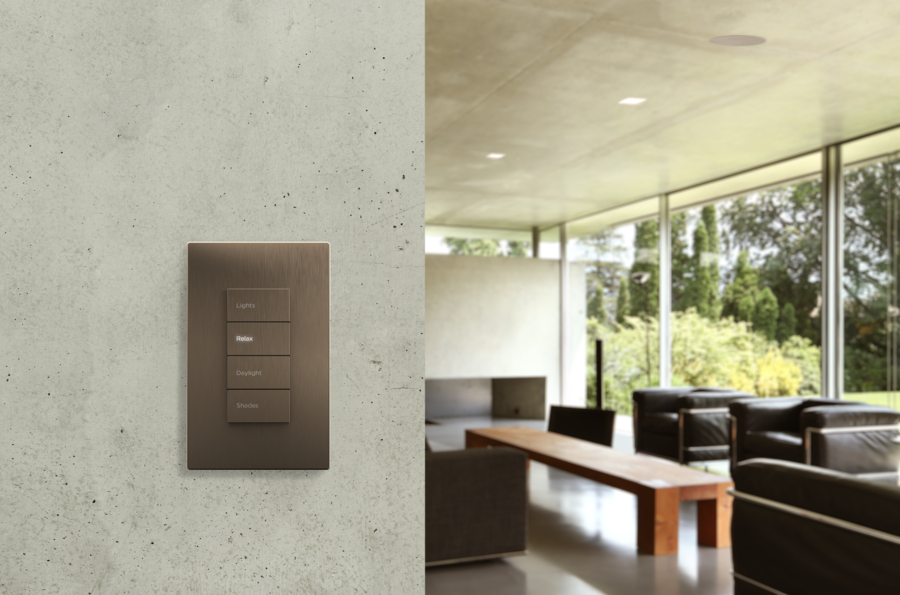
- Lutron unifies lighting and shading controls under a single, easy interface designed around everyday use, not complexity.
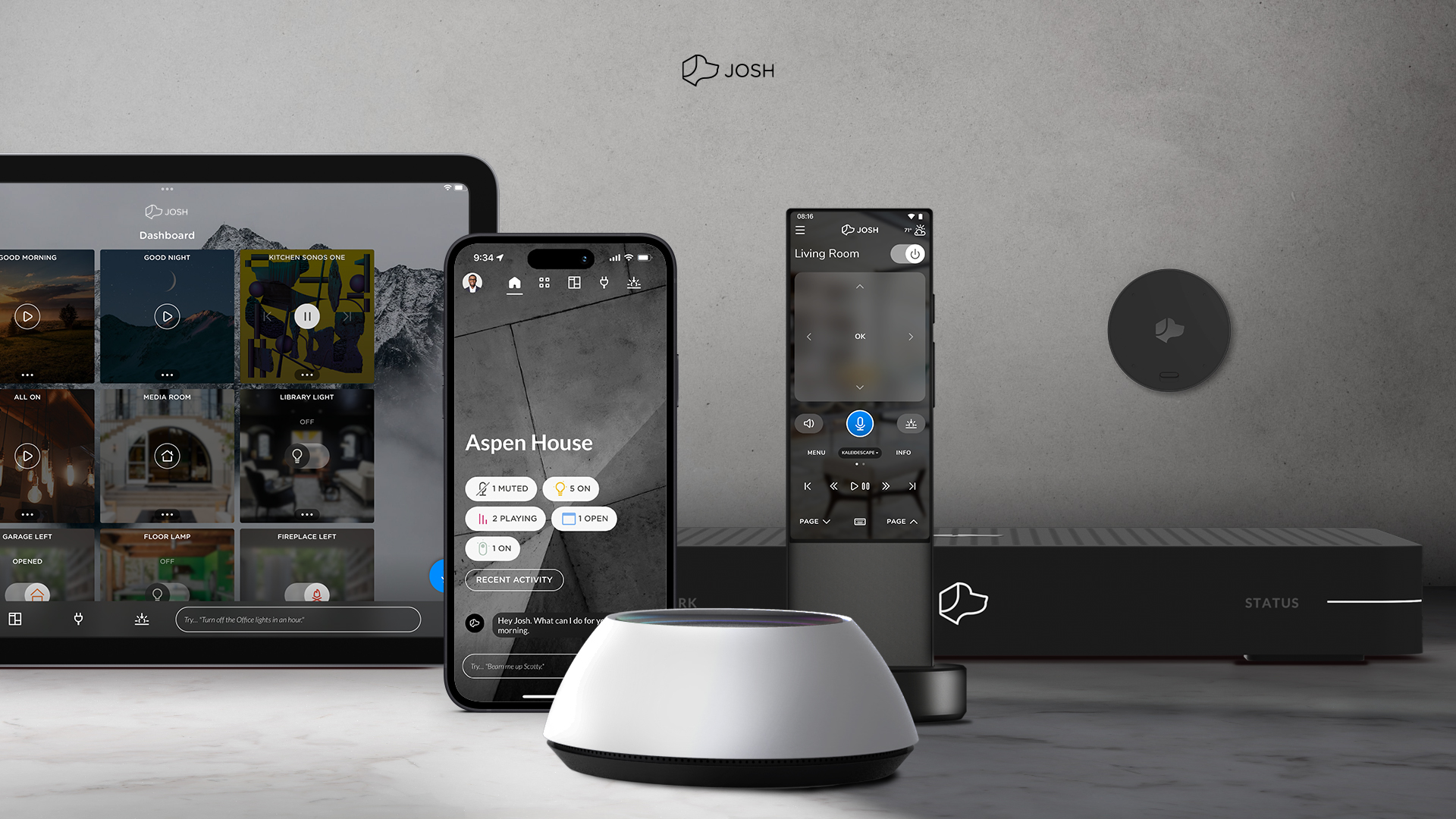
- Josh.ai combines many different products into one app to control everything in your home, including; locks, HVAC, lighting, garage doors, and more.
This means less toggling between apps and more streamlined interaction.
Client Benefit: One familiar control experience; you don’t need to learn tech, the tech adapts to you.
I Shouldn’t Need a Tech Tour Just To Turn The Lights On
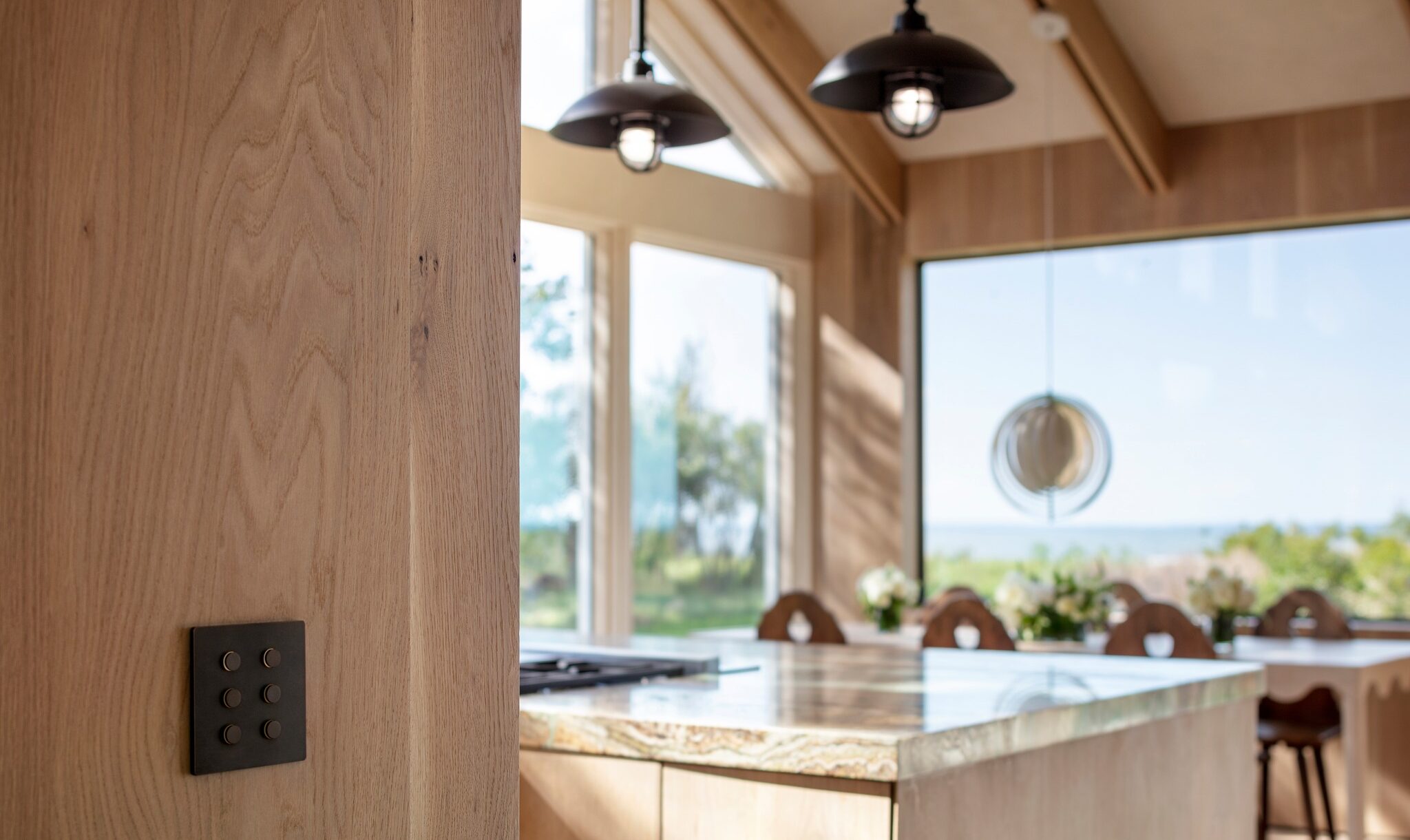
This very complaint was central to the Atlantic article: poorly labeled panels, hidden menus, and modes that made simple tasks feel like coding challenges. Professional systems avoid this by combining physical controls with digital intelligence; dimmers and switches that behave like traditional wall controls yet feature smart automation patterns behind the scenes.
When an app is required, have a simple user interface setup on a screen or a smart remote, like AVA, that functions just like it would on their own devices.
Client Benefit: Guests and family members can use the system with zero training, just like a standard light switch.
My 7 year old niece picked up the AVA remote in our living room and was able to figure out how to turn on the TV, dim the lights, and play music over the Sonos speakers, with zero training.
Steven Donley
Smart Homes Feel Like Puzzles, Not a Home
Proper smart design isn’t about piling on features; it’s about reducing friction. Intelligent automation should handle routine tasks without adding complexity:
- Lights that adjust based on presence
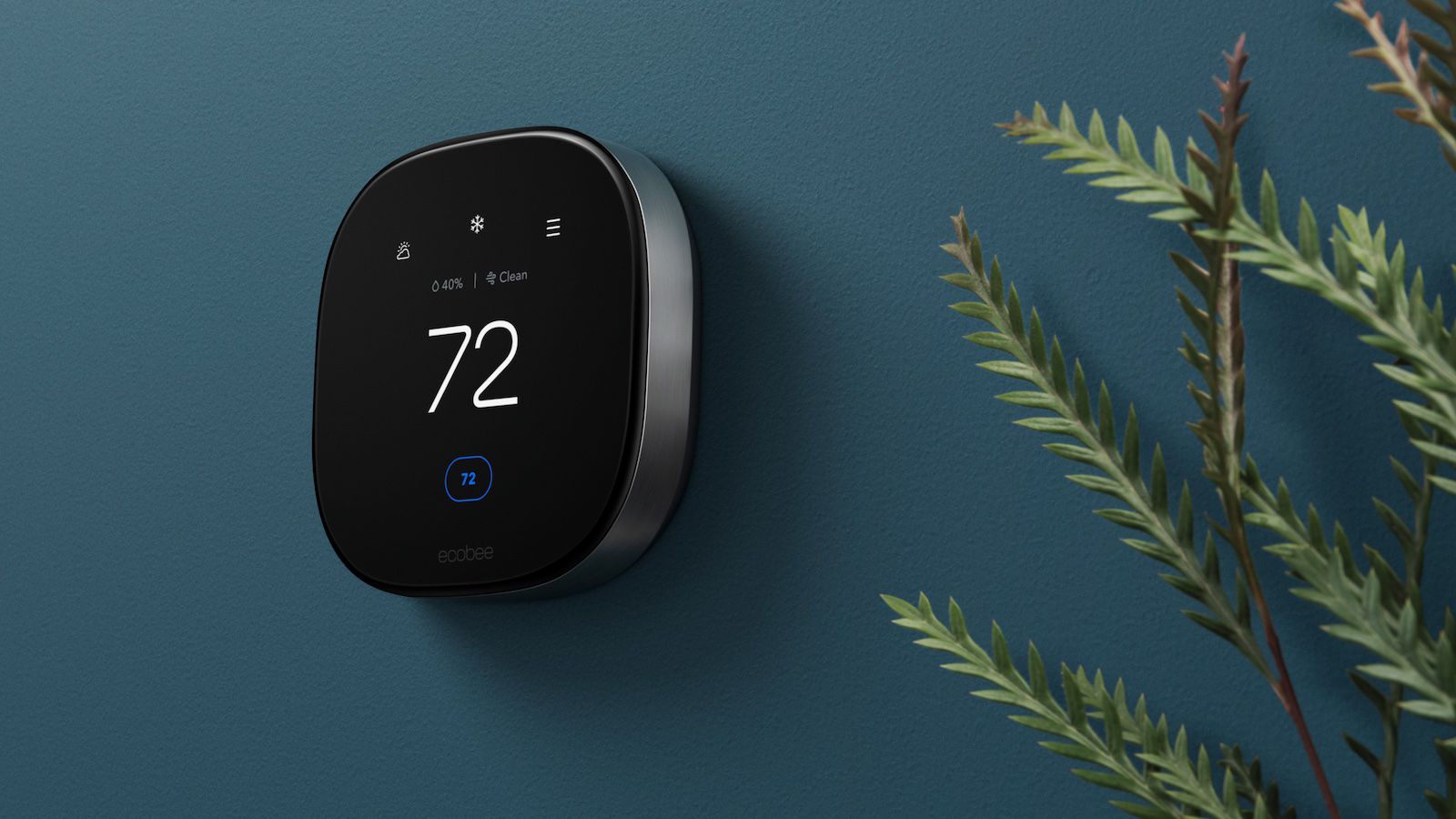
- Climate that learns preferences and adapts
- Shades that respond to daylight
Well-chosen systems consider:
- How people live in their homes, not just how many devices can be connected
- How the home is used, is it a summer home? Is it a rental?
- The people who will use the home; in-laws, kids, people who dislike tech, tech geeks, etc
Client Benefit: Your home feels effortless, not engineered. It responds to you and makes your life simpler.

The Advantages of Proven Smart Home Platforms
Longevity and Support
Unlike many consumer gadgets that disappear after a few years, companies such as Lutron and Savant have supported their products for decades. This long-term commitment means:
- Software updates that keep systems current
- Support networks and certified professionals
- Hardware platforms designed for serviceability
Eco Smart Home Pros has been around since 2013; one of the longest running smart home providers in Muskegon, Michigan and the longest running smart home integrator in Marquette and the entire Upper Peninsula. We are dedicated to supporting the technology that we install and we work with our chosen manufacturers to ensure we are installing products that will be supported long-term.
Client Benefit: You are not left with “orphaned” tech — your investment stays valuable over time.
Real Reliability Through Local Intelligence
Smart products that rely heavily on the internet can fail when networks are busy or down. By contrast, professional systems often operate locally; so automation continues even without an active internet connection. This approach dramatically improves performance and reduces the frustration of lag or dependency on cloud services.
Client Benefit: Your smart home stays responsive even in fluctuating network conditions.
Beyond Buzzwords
When properly designed and backed by trusted platforms:
- Energy usage drops through intelligent thermostats and shading automation that responds to occupancy and daylight patterns
- Security becomes proactive, with cameras, access control, and alerts that work together rather than in isolation
- Comfort increases, with tailored environments that adjust to routines, not complicated menus
Smart homes should work for you, not require you to become a technician.
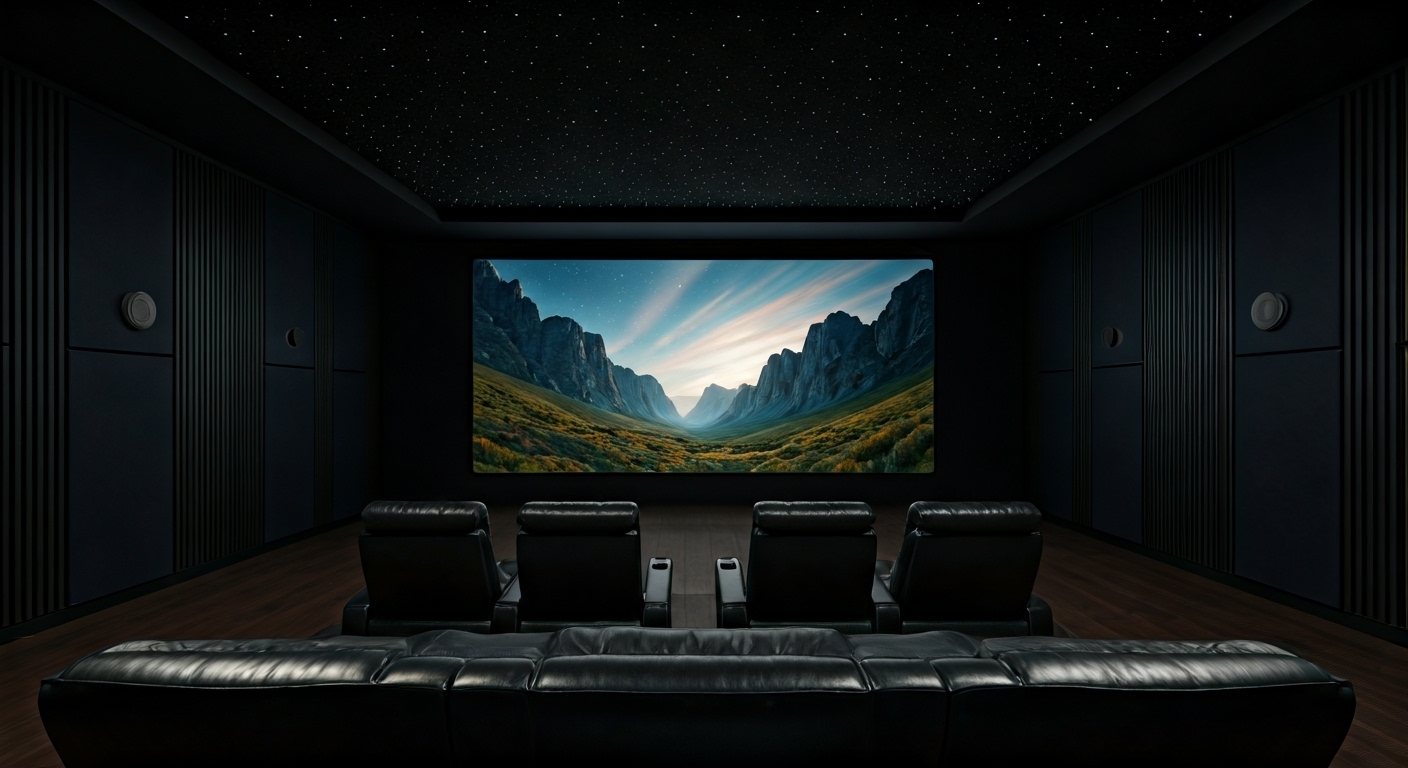
While some systems can be programed by homeowners, some systems do require dealers and certified programmers; it’s not that different from needing a plumber, electrician, or an HVAC technician to check out your home systems occasionally. Eco Smart Home Pros rarely has to maintain the systems we install once the client is satisfied with the daily automations. They don’t call us back until life changes and those automations need to change to react to their new lifestyle; such as a new kid, creating a new home office, or upgrading their TVs and theaters. We offer convenient support plans for the homes that do want more consistent changes and updates.
Final Thoughts
The frustrations described in the Atlantic article reflect a broader problem: smart homes built piecemeal with mismatched gadgets and no cohesive architecture.
At Eco Smart Home Pros, we believe smart technology should simplify life, not complicate it. With thoughtful design, professional implementation, and platforms from established leaders, smart homes become reliable, intuitive, and truly valuable places to live.
If you want technology that improves daily living, without slow responses or confusion, it starts with choosing the right systems and working with professionals who know how to integrate them. At Eco Smart Home Pros we want to help you live and work happier, safer, and more sustainably through technology.
Let’s create #ASmarterTomorrow — together.